
ODIN Long Range Laser Listener in Ghana
TSA International supplies the ODIN Long Range Laser Listener to authorised organisations in Ghana — a long-range audio intelligence solution built for the armed forces, intelligence agencies, law enforcement and government organisations that need to gather audio from a target without physical access to it.
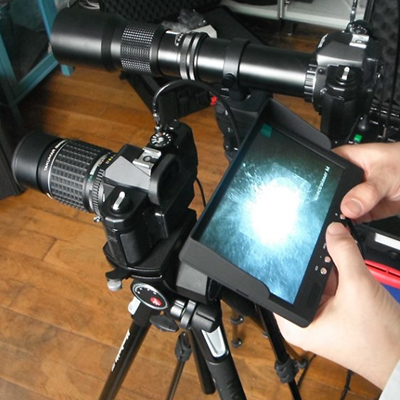
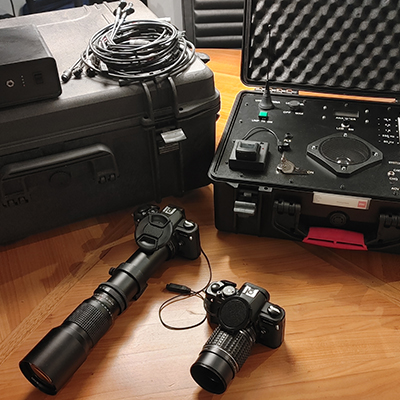
Advanced Technology
Long-Range Audio Surveillance Solutions for Ghana’s Operational Requirements
ODIN is a specialist technology supporting covert surveillance and intelligence gathering. It uses high-precision optical listening to acquire audio at significant stand-off distances, which makes it suited to situations where placing a device is impossible, unacceptably risky or simply not an option. It is a portable system designed for flexible deployment, providing reliable long-distance monitoring for complex operational environments.
ODIN Long Range Laser Listener Features
The system is supplied to vetted government, military, law enforcement and intelligence end users only, and within the export control and end-use requirements that apply to specialist surveillance equipment of this class.
Key Components & System Capabilities We Supply to Ghana
ODIN Laser Listener System
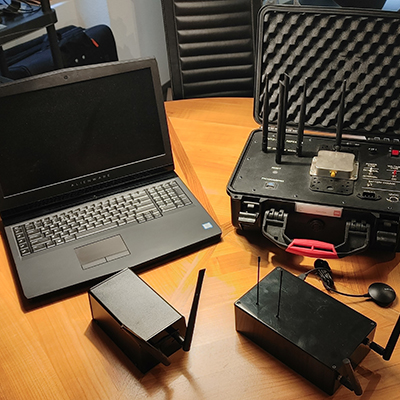
The ODIN system combines long-range laser detection with advanced audio processing in a portable surveillance platform, supplied to authorised government and law enforcement agencies in Ghana. It captures audio remotely by detecting tiny vibrations on suitable surfaces, offering a non-contact alternative to conventional audio collection.
Laser Detection Unit
The laser detection unit is the system’s core sensor. It aims a laser at a suitable surface and analyses the reflected signal to pick up the small movements that sound causes. Audio can therefore be captured remotely, without placing a microphone or any other recording device at the monitored location.
Audio Signal Processing
ODIN uses advanced signal processing to turn the detected vibrations into usable audio. It improves clarity and reduces environmental noise and interference, which supports live monitoring as well as recording and later analysis.
Portable Deployment Configuration
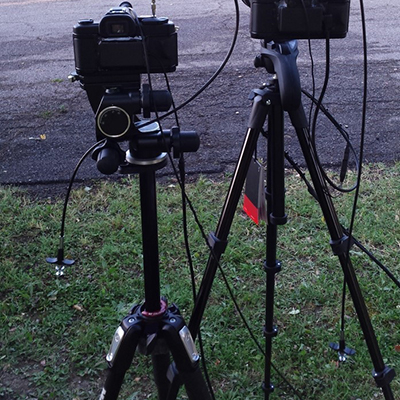
The system can be deployed flexibly in different operational environments. Because it is portable, operators can position it to suit each surveillance task and use it for temporary monitoring, with no permanent installation and no changes to the monitored location.
Monitoring & Recording
ODIN supports live audio monitoring alongside secure recording for later review and analysis. Operators can listen as activity happens while keeping a record of captured audio to support investigations, reporting and evidential processes.
TSA supplies the system only to authorised agencies in Ghana and supports its use in line with the country’s legal and regulatory requirements for surveillance activity.
Why security organisations in Ghana choose TSA International
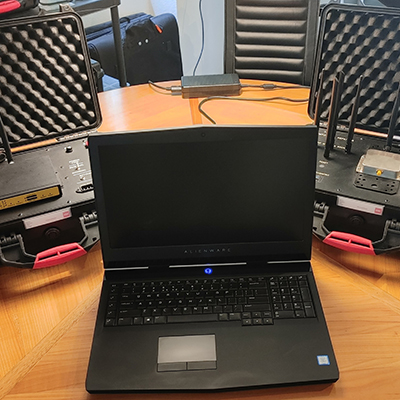
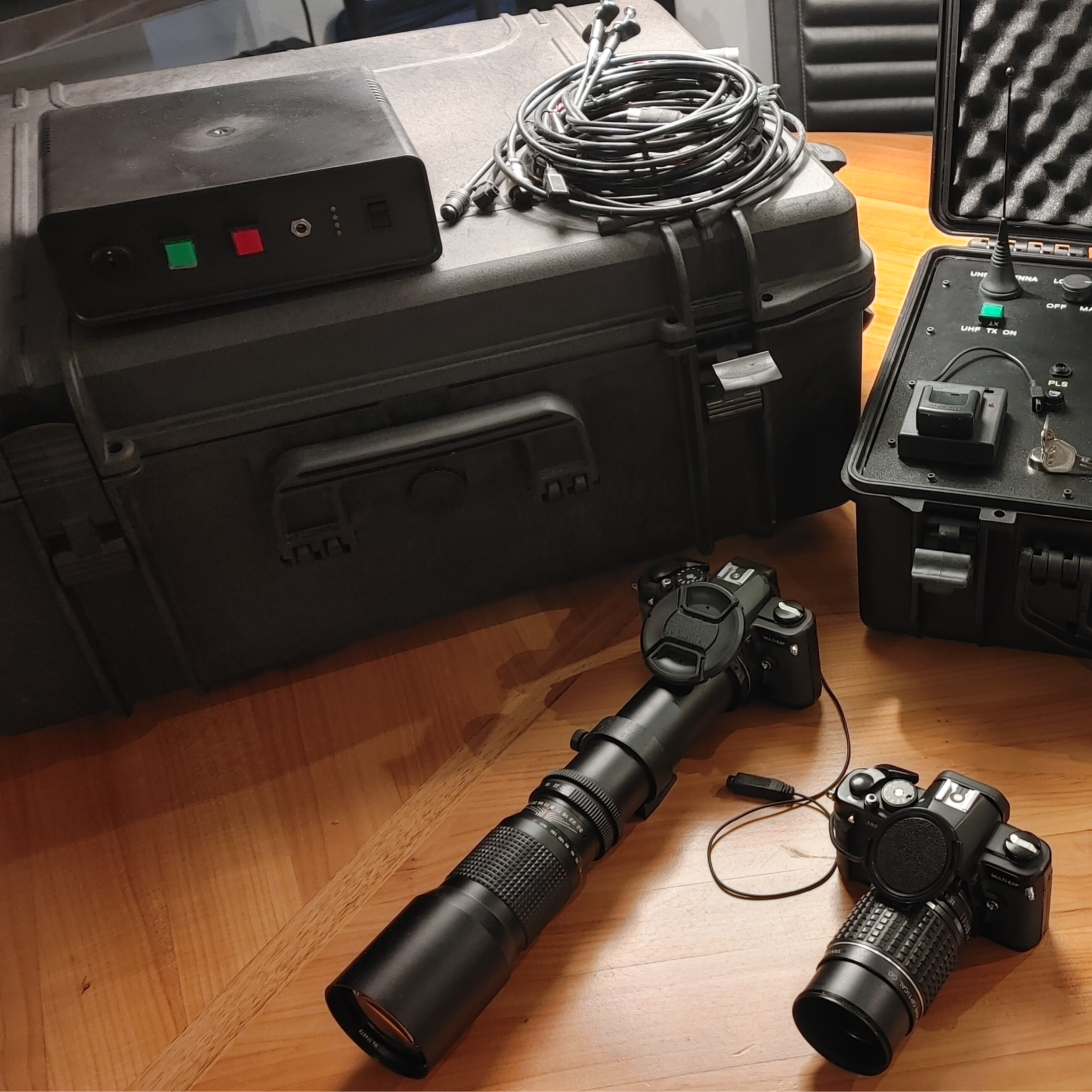
Equipment in action
Deployment & training imagery
Applications Across Ghana
- Border security across Ghana’s land borders
- Maritime surveillance along the coastline and the Gulf of Guinea
- Government facilities and sensitive administrative sites
- Airport security at international and regional facilities
- Port security at Tema and Takoradi and their approaches
- Mining operations at remote, high-value sites
- Critical infrastructure across energy, telecommunications and transport
- VIP protection and protective intelligence work
- Intelligence operations requiring covert collection
- Law enforcement investigations requiring lawful audio collection
Applications & Operational Environments
For Ghanaian organisations, ODIN and equipment like it matter because it supports:
-
Strengthening border monitoring. Land borders across varied terrain are hard to cover by proximity alone, and stand-off collection lets agencies gather intelligence without compromising the operation.
-
Supporting maritime security. The Gulf of Guinea has been a focus of maritime crime for years, and long-range capability supports awareness along the coast and the approaches to ports and offshore infrastructure.
-
Protecting strategic infrastructure. Energy, mining and telecommunications assets are dispersed across open ground where stand-off collection is often the only discreet option.
-
Enhancing intelligence operations. Acting on intelligence rather than reacting to incidents depends on the ability to collect reliably, including from a distance when close approach is not viable.
-
Improving situational awareness. Reliable long-range collection gives commanders a clearer picture and more time to make decisions.
-
Securing mining operations. Remote, high-value mine sites face both surveillance and disruption risks, and stand-off intelligence capability supports their protection.
-
Supporting national resilience. The ability to collect intelligence against threats to national assets is a foundation of a resilient security posture.
-
Modernising surveillance capabilities. As threats grow more security-conscious, collection methods that leave nothing to discover become more valuable, and current-generation systems keep national capability effective.
Frequently asked questions
Is the equipment suitable for mining security operations?
Yes. ODIN’s portability and stand-off collection method suit remote, high-value mining sites, where close approach to a target may not be viable.
How does a laser listener work?
A laser listener works by directing a precision laser beam at a surface — typically a window, door, or wall — that carries acoustic vibrations from sounds inside the target space. The system analyses microscopic variations in the reflected laser signal caused by those vibrations and reconstructs the audio. No physical access to the target location is required.
What are long-range laser listeners used for?
Long-range laser listeners are used for covert audio surveillance operations where conventional device placement is not possible, practical, or operationally safe. Primary applications include counter-terrorism intelligence gathering, law enforcement investigations, military reconnaissance, and the monitoring of high-value targets in controlled environments.
Can the ODIN system operate in urban environments?
Yes. Urban environments are among the primary operational contexts for the ODIN system. The ability to position at range in adjacent buildings or elevated positions and collect audio from a specific target location without physical proximity makes it particularly well-suited to dense urban surveillance operations.
Is the system suitable for covert surveillance operations?
What operational advantages does the ODIN Long Range Laser Listener provide?
ODIN allows authorised teams to collect audio from a target at a stand-off distance, without placing any device near it. Because there is nothing to plant or recover, it reduces operational risk and leaves nothing for a target to discover, while supporting covert surveillance and intelligence-led operations.
Can the system support surveillance in coastal and offshore environments?
Yes. ODIN is suited to coastal operations and can be deployed from temporary observation posts along the shoreline and approaches, as part of a wider maritime security picture.
How portable is the ODIN system for field deployments?
ODIN is lightweight and designed for rapid deployment. A small team can transport it by vehicle or on foot, set it up from a temporary observation post, and relocate it as an operation develops
Can it integrate with other surveillance technologies?
Yes. ODIN can form part of a wider surveillance capability alongside observation, video and secure communications equipment, and we advise on how it fits the customer’s existing systems during specification.
Talk to Our Team
Contact TSA International to discuss the ODIN Long Range Laser Listener and advanced long-range surveillance technologies for authorised government, defence, and law enforcement organisations across Ghana.