
Drone Detection & Counter-UAS Solutions in Ghana
TSA International supplies advanced drone detection and Counter-UAS (C-UAS) solutions to authorised organisations in Ghana — technologies designed to detect, identify, track and mitigate unauthorised drone activity before it becomes a threat to people, operations or strategic assets.
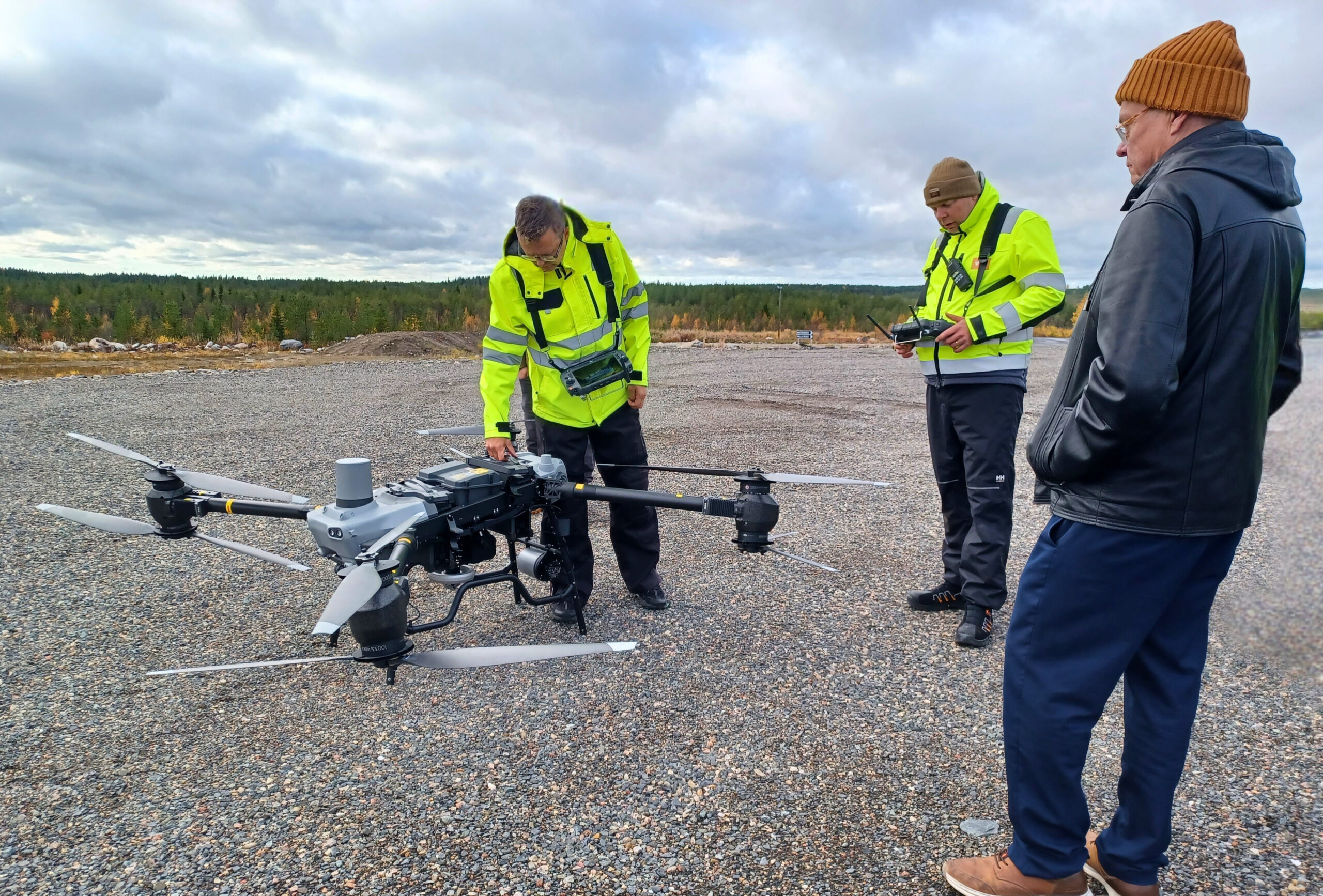
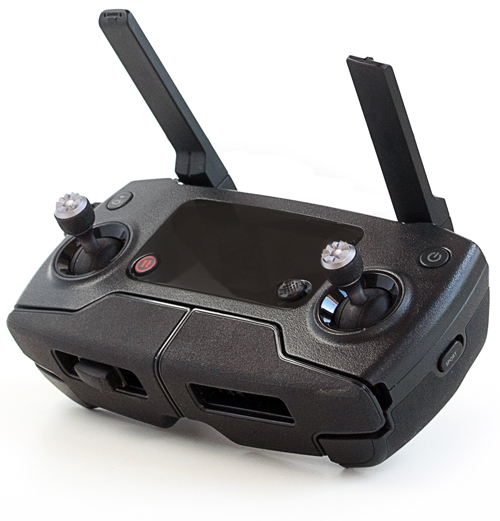
Advanced Technology
Counter-UAV Solutions for Ghana’s Security Requirements
Our solutions support the armed forces, police, border security agencies, civil aviation authorities and critical infrastructure operators. We supply fixed, mobile and rapidly deployable Counter-UAS systems, internationally proven in support of modern airspace security, and we build them into scalable capability that can protect anything from a single sensitive site to an airport, a port or an offshore energy field.
The threat from small unmanned aircraft has grown quickly. Drones are cheap, widely available and easy to fly, which makes them useful to hobbyists and criminals alike, and a genuine concern around airports, borders, mines, energy sites and government facilities. Effective airspace protection now means being able to see the threat coming and having an authorised means of responding to it.
Drone Detection & Counter Solutions for Ghana’s Operational Needs
All Counter-UAS equipment is supplied to vetted government, military and law enforcement end users, within the export control and end-use requirements that apply. Mitigation capability in particular is supplied only for government-authorised deployment within the legal framework that governs it.
Drone Detection & Counter-UAS Solutions We Supply
Portable Drone Detection Systems
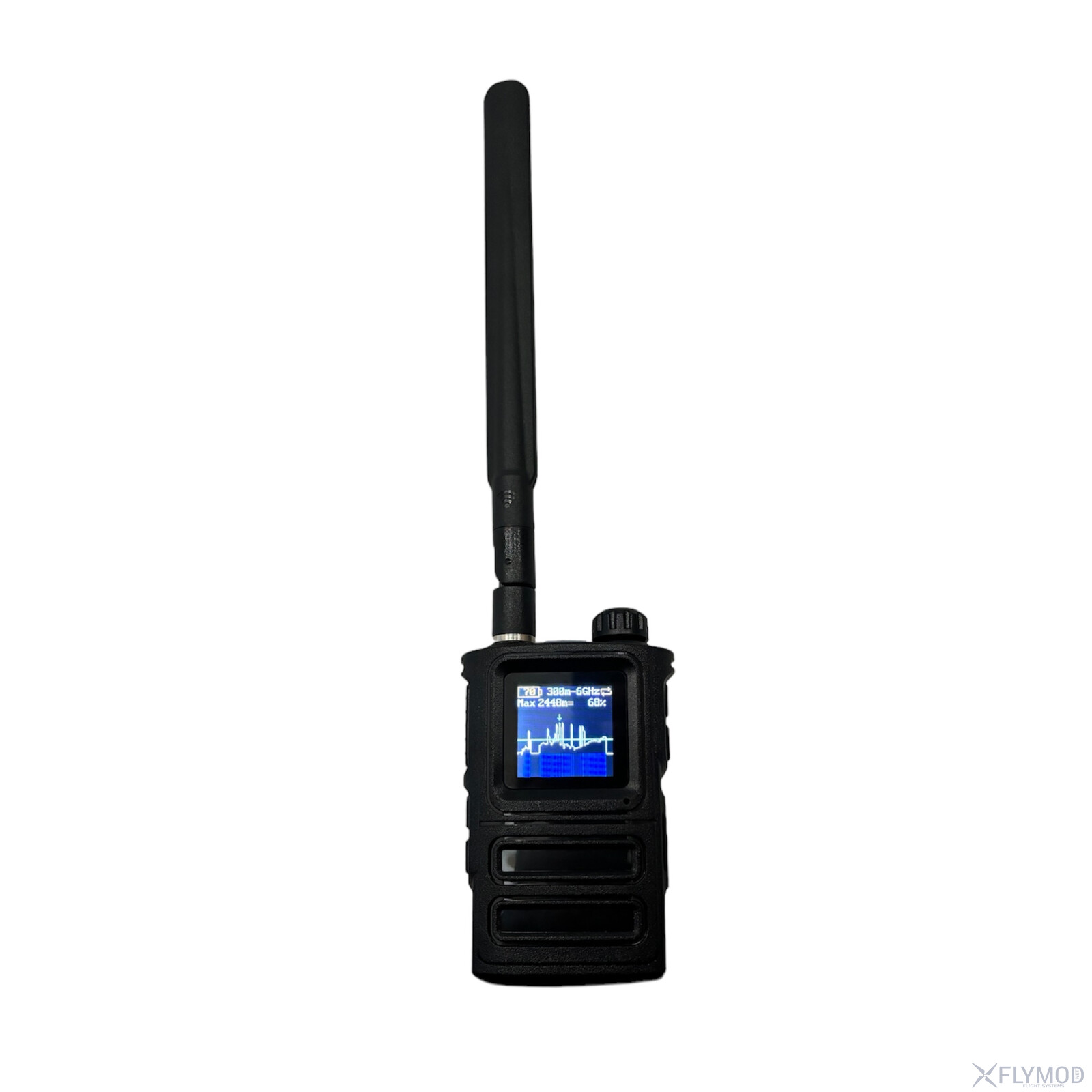
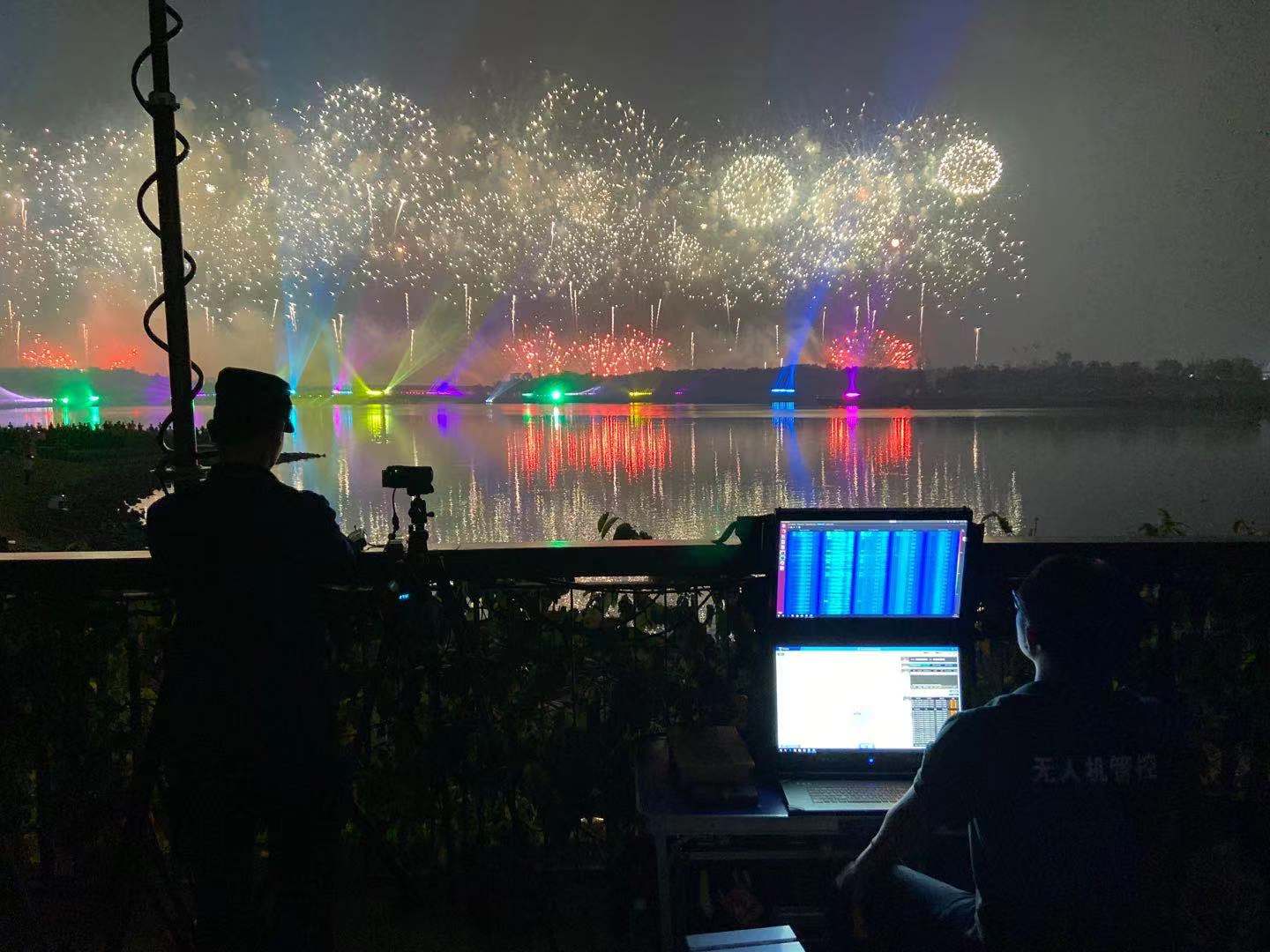
Portable drone detection systems let teams in Ghana set up UAV monitoring quickly for tactical field operations, temporary security deployments and mobile security tasks where fixed infrastructure isn’t available or practical. TSA supplies RF-based portable systems that pick up drone activity in the immediate operational area by monitoring the radio signals between a drone and its controller.
Fixed & Long-Range Drone Detection Systems
TSA supplies fixed and long-range counter-drone systems for continuous airspace monitoring at military bases, airports, critical infrastructure and government facilities across Ghana. These multi-sensor systems combine radar, RF and optical detection to identify and track drones at operationally useful distances.
They can connect to CCTV and security operations centres, giving early alerts and reliable perimeter protection for high-value sites, from ports and energy installations to government facilities in Accra and beyond.
Vehicle-Mounted Counter-Drone Systems
TSA supplies vehicle-mounted counter-drone systems for convoy protection, border patrol and rapid-response operations across Ghana. These mobile detection and jamming platforms move with patrols and protected vehicles, so the drone protection follows the operation wherever it goes.
They are built for Ghana’s varied terrain, from coastal areas to the northern border regions, and suit a range of missions. They help teams detect and respond to drones in places where fixed counter-drone infrastructure isn’t practical.
Drone Jamming & Neutralisation Systems
TSA supplies drone jamming and neutralisation systems for fixed and portable counter-UAV use in Ghana, including RF jamming and GPS disruption. These systems let security teams cut off an unauthorised drone’s communications and navigation, so they can actively respond once a threat is detected.
They are designed for controlled deployment and add a key neutralisation layer to counter-drone protection for sensitive sites and operational areas.
Manpack Counter-UAV Systems
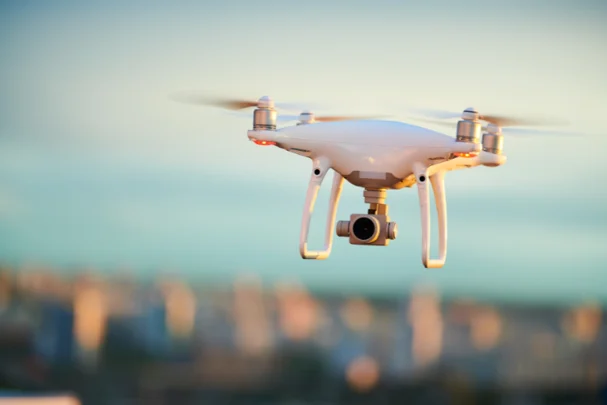
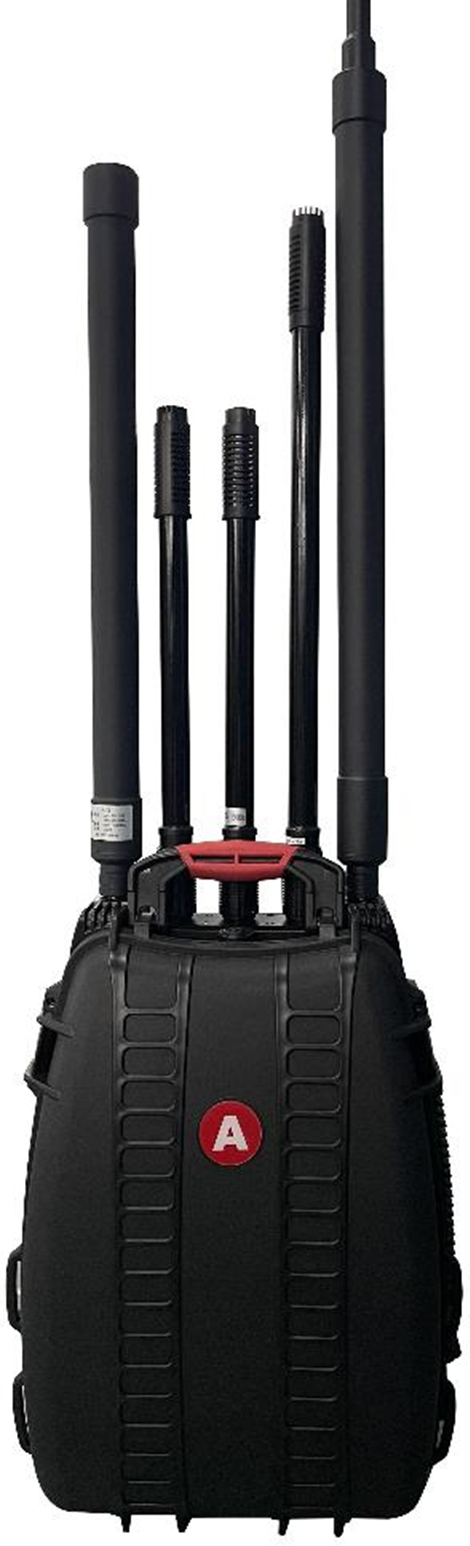
TSA supplies lightweight manpack counter-UAV systems for Ghana’s military and law enforcement teams that need portable drone protection. A single operator can carry and run one, detecting and jamming drones quickly during patrols, tactical deployments and rapid-response operations.
Because they are compact, they can be deployed without a vehicle or fixed infrastructure, and they work alongside wider counter-drone systems.

Drone Identification & Tracking Technologies
TSA supplies drone classification and tracking systems for Ghanaian security operators who need more than basic detection. RF signature analysis helps identify drone types and their controllers, and real-time tracking shows each drone’s position, heading and altitude.
The systems can detect several drones at once and assess the threat each one poses. This helps teams respond faster and tell authorised drone flights apart from possible threats at sensitive sites and public events across Ghana.

Why Organisations in Ghana Choose TSA International
Equipment in action
Deployment & training imagery

Why Counter-Drone Technology Matters in Ghana
Ghana combines features that make drone activity a serious security concern: strategic offshore energy assets, busy airports, a coastline, remote mining sites and dispersed critical infrastructure. As small unmanned aircraft become more capable and more common, the ability to protect the airspace over these assets becomes part of routine security, not a specialist afterthought.
Applications & operational environments
Counter-drone capability supports Ghanaian organisations by:
- Protecting offshore energy assets. The offshore fields in the Gulf of Guinea are high-value and exposed, and airspace protection is a growing part of their overall security against surveillance or disruption from the air.
- Strengthening airport security. Drone incursion near an airport is a direct safety risk to aviation. Detection and authorised mitigation protect facilities, aircraft and approaches.
- Enhancing border surveillance. Drones are increasingly used to move contraband and conduct reconnaissance across borders, and Counter-UAS capability supports the agencies working Ghana’s frontier.
- Supporting mining operations. Remote, high-value mine sites face surveillance and disruption risks from the air, and their large footprints make airspace protection valuable.
- Protecting critical infrastructure. Energy, telecommunications and transport assets are attractive targets from the air, and detection capability is a core layer of their protection.
Frequently asked questions
Which Counter-UAS systems are suitable for protecting airports in Ghana?
Airport airspace protection typically combines RF detection, radar and electro-optical tracking, fused through an integrated command platform, with authorised mitigation where the legal framework allows. Systems are configured to detect and track drones near aviation facilities and support a controlled response.
Can drone detection technologies support offshore oil and gas facilities?
Yes. Detection capability supports awareness of drone activity around offshore energy infrastructure in the Gulf of Guinea, as part of a wider security approach for these high-value, exposed assets.
What Counter-UAS solutions are available for mining operations?
Fixed and mobile detection systems, scalable across a large site, support the protection of remote, high-value mining operations against surveillance and disruption from the air.
DCan mobile Counter-UAS systems be deployed for temporary events?
Yes. Mobile and rapidly deployable platforms provide Counter-UAS coverage for temporary operations and events where a fixed installation is not appropriate.
How can drone detection systems integrate with existing security infrastructure?
Integrated command platforms are designed to work alongside a customer’s existing security systems and control rooms, bringing drone detection into the wider security picture rather than running in isolation.
Do you provide portable counter-drone systems?
Yes. TSA supplies both portable handheld detection systems and manpack counter-UAV jamming platforms suited to individual operator and small team tactical use. These systems provide deployable counter-drone capability for field operations without requiring vehicle or infrastructure support.
What industries use drone detection technologies?
Can anti-drone systems be tailored to operational requirements?
Yes. TSA works with end-user organisations to understand specific site geometry, threat profiles and integration requirements and can configure counter-drone systems accordingly. Customisation is standard practice in detection range, sensor combination, jamming frequency coverage and integration with existing security infrastructure.
Do you provide drone jamming systems?
Yes. TSA supplies RF jamming and GPS disruption systems for controlled drone neutralisation in both portable and fixed configurations. Jamming systems are supplied to authorised government, military, and law enforcement end users only, in compliance with applicable export and spectrum management regulations.
Talk to Our Team
Contact TSA International to discuss drone detection systems, Counter-UAS technologies, and integrated airspace security solutions for authorised government, defence, and law enforcement organisations across Ghana.